

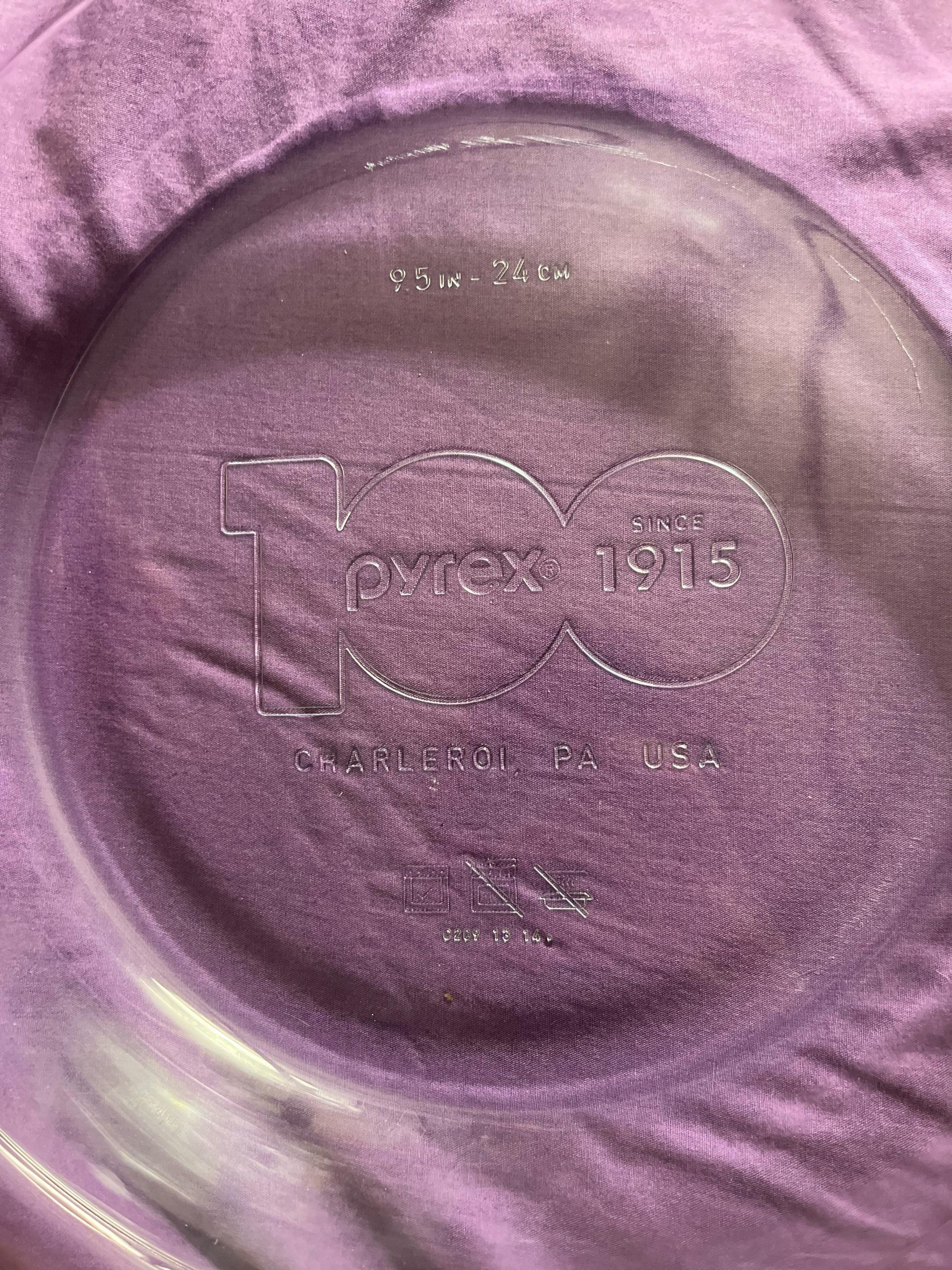
If you are wondering how to tell if Pyrex is borosilicate, look no further. The key lies in understanding a few simple visual cues that can make a world of difference. With the rise in popularity of borosilicate glassware, distinguishing it from standard soda-lime glass has become essential. By paying attention to specific features and markings on your Pyrex, you can easily determine if it is indeed made from the durable and heat-resistant borosilicate glass. Let’s dive into the details and unravel the mystery behind identifying borosilicate Pyrex.

How to Tell If Pyrex Is Borosilicate
Introduction
If you love to cook or bake, you have probably heard of Pyrex – those handy glass dishes that can go from the oven to the table to the fridge. But did you know that not all Pyrex is the same? Some Pyrex dishes are made of borosilicate glass, a type of glass known for its durability and resistance to heat. In this article, we will explore how you can tell if your Pyrex is made of borosilicate glass.
What is Borosilicate Glass?
Before we dive into identifying borosilicate Pyrex, let’s understand what borosilicate glass is. Borosilicate glass is a type of glass that contains boron trioxide, which makes it more resistant to thermal shock than ordinary glass. This means it can withstand sudden changes in temperature without breaking.
Why Borosilicate Pyrex is Special
Pyrex made with borosilicate glass is preferred by many cooks and bakers because of its superior durability and ability to withstand high temperatures. It is less likely to shatter when exposed to extreme temperature changes, making it safer to use in the kitchen.
Identifying Borosilicate Pyrex
So, how can you tell if your Pyrex is made of borosilicate glass? Here are a few ways to identify borosilicate Pyrex:
Look for Markings
One of the easiest ways to identify borosilicate Pyrex is to look for markings on the dish. Some Pyrex dishes made with borosilicate glass may have markings that indicate they are made of borosilicate. Look for phrases like “Borosilicate Glass” or “Borosilicate” etched or printed on the dish.
Check the Packaging
If you still have the original packaging for your Pyrex dish, check it for information about the material. Some Pyrex products made with borosilicate glass will have this information clearly stated on the packaging.
Resistance to Thermal Shock
Another way to test if your Pyrex is borosilicate is to see how it reacts to sudden changes in temperature. Borosilicate glass is known for its resistance to thermal shock, so you can try moving the dish from the oven directly to a cold surface, such as a wet countertop. If the dish doesn’t break, it is likely made of borosilicate glass.
Comparative Weight
Borosilicate glass is generally denser than regular glass, so you can compare the weight of your Pyrex dish to a known borosilicate glass dish of similar size. If your Pyrex feels heavier than expected, it may be made of borosilicate glass.
In conclusion, identifying whether your Pyrex is made of borosilicate glass can be important for ensuring the safety and durability of your cookware. By checking for markings, examining the packaging, testing for resistance to thermal shock, and comparing the weight, you can determine if your Pyrex is borosilicate. Remember, borosilicate Pyrex is a great choice for kitchen tools that need to withstand high temperatures and rapid changes in heat. So, next time you are in the kitchen, take a moment to check if your Pyrex is borosilicate and cook with confidence!
How to A Way to Identify Pyrex or Borosilicate Glass
Frequently Asked Questions
How can I determine if my Pyrex is made of borosilicate glass?
To check if your Pyrex is made of borosilicate glass, look for specific markings on the product packaging or the glassware itself. Borosilicate glass Pyrex products are usually labeled as such, mentioning “borosilicate” or “thermal shock resistant.” If the packaging or product does not clearly state the material, you can also contact the manufacturer or check their official website for detailed product information.
Are there any physical characteristics I can observe to identify borosilicate glass in Pyrex?
One way to identify borosilicate glass in Pyrex is by its clarity and thickness. Borosilicate glass tends to be clearer and have a higher refractive index than soda-lime glass, which is commonly used in non-borosilicate cookware. Additionally, borosilicate glass is known for its durability and ability to withstand rapid temperature changes without shattering, so observing how the glassware reacts to extreme heat or cold can also provide clues about its material composition.
Can I perform a simple at-home test to determine if my Pyrex is made of borosilicate glass?
While there is no foolproof at-home test to determine the exact glass composition of Pyrex, you can try a thermal shock test. Place the glassware in question in a preheated oven and then transfer it directly to a freezer or immerse in cold water. Borosilicate glass is known for its thermal shock resistance and should be able to withstand such rapid temperature changes without breaking. However, it’s important to exercise caution when conducting this test to avoid any accidental damage.
Final Thoughts
In conclusion, identifying borosilicate Pyrex glass is crucial for safety and durability. To tell if Pyrex is borosilicate, look for an embossed logo or label stating it is made of borosilicate glass. You can also check for its thermal resistance and resistance to sudden temperature changes. Remember, Pyrex made with borosilicate glass is superior in quality and better suited for various cooking and baking applications.