

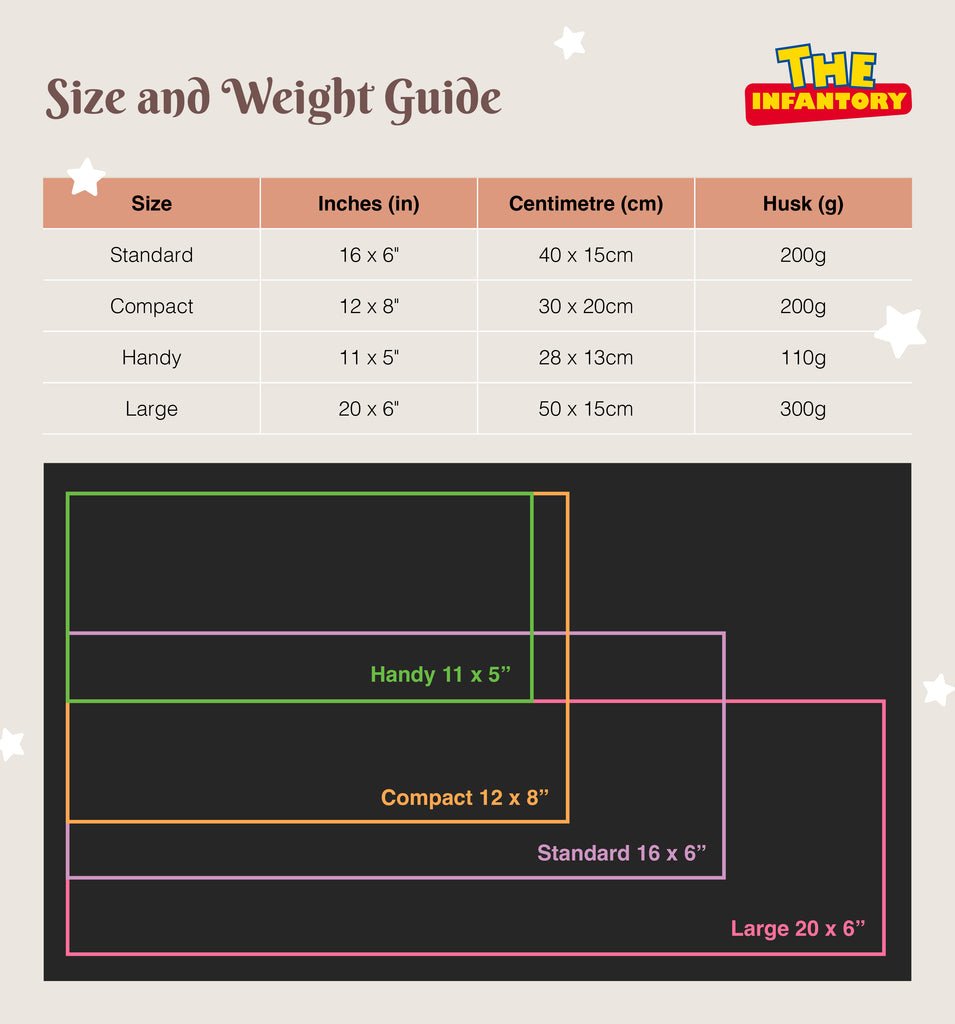
A standard pillow typically weighs around 1 to 2 pounds. The weight of a pillow may not seem like a pressing concern, but it can impact your comfort and quality of sleep significantly. Understanding how much does a pillow weigh is essential when selecting the right one for your needs. Let’s delve deeper into the world of pillow weights and their implications.

How Much Does a Pillow Weigh?
Introduction
Do you ever wonder about the weight of things we use every day, like pillows? Pillows are not just soft, fluffy objects that we rest our heads on; they have a weight to them too. In this article, we will explore the world of pillows and answer the burning question: How much does a pillow weigh?
The Anatomy of a Pillow
Before we dive into the weight of pillows, let’s understand what makes up a pillow. A typical pillow is made up of a cover and filling. The cover is usually made from materials like cotton, polyester, or a blend of fabrics. The filling can vary and may consist of feathers, down, memory foam, or synthetic fibers. All these components contribute to the overall weight of a pillow.
Types of Pillow Fillings
– Feathers: Feathers are light but can add up in weight depending on the size and number of feathers used.
– Down: Down is the soft layer of feathers found under the tougher exterior feathers of many birds. It is lightweight and provides excellent insulation.
– Memory Foam: Memory foam pillows are made from polyurethane and other chemicals. They are heavier compared to traditional feather or down pillows.
– Synthetic Fibers: Pillows with synthetic fiber fillings are usually lighter in weight compared to down or memory foam pillows.
Factors Affecting Pillow Weight
The weight of a pillow can vary based on several factors:
Size
The size of a pillow plays a significant role in determining its weight. Larger pillows will generally weigh more than smaller ones due to the extra materials used in manufacturing them.
Fill Power
For down pillows, fill power refers to the quality and amount of down used in the filling. A higher fill power indicates a higher quality down that is lighter and more compressible, resulting in a lighter pillow overall.
Density
The density of the pillow filling can also impact its weight. Memory foam pillows, known for their supportive nature, tend to be denser and therefore heavier compared to traditional feather or down pillows.
Material
The type of material used in the cover and filling of a pillow can affect its weight. Natural materials like feathers and down are lighter compared to synthetic fibers or memory foam.
Typical Pillow Weights
While the weight of a pillow can vary based on the factors mentioned above, here are some general guidelines:
– Standard Size Pillow: A standard size pillow, measuring approximately 20 x 26 inches, can weigh anywhere between 1.5 to 3 pounds, depending on the filling and materials used.
– Queen Size Pillow: A queen-size pillow, measuring around 20 x 30 inches, may weigh between 2 to 4 pounds, again depending on the filling type.
– King Size Pillow: King size pillows, measuring about 20 x 36 inches, can weigh between 3 to 5 pounds or more, especially if they have a denser filling like memory foam.
Why Does Pillow Weight Matter?
You might be wondering, why does the weight of a pillow even matter? Well, the weight of a pillow can influence your sleeping experience and comfort level. Heavier pillows may provide more support, especially for those who prefer a firmer surface to rest their heads on. On the other hand, lighter pillows are easier to fluff and adjust, making them ideal for people who like to customize their sleeping position.
In conclusion, the weight of a pillow is influenced by various factors such as size, fill power, density, and materials used. Understanding these factors can help you choose the right pillow that suits your needs and preferences. So, next time you pick up your pillow to rest your head, remember that it’s not just about softness and fluffiness; there’s weight to it too!
Next time you’re in the market for a new pillow, consider not just how it feels, but also how much it weighs. Your comfort and quality of sleep may depend on it!
World's Heaviest Weighted Blanket
Frequently Asked Questions
How much does the weight of a pillow typically range?
The weight of a pillow can vary depending on the size, material, and filling. Generally, standard-size pillows weigh around 1.5 to 2.5 pounds, while king-size pillows can weigh between 2.5 to 4 pounds.
Do memory foam pillows weigh more or less compared to traditional pillows?
Memory foam pillows tend to be denser and heavier than traditional pillows. On average, a standard memory foam pillow weighs around 3 to 4.5 pounds due to the proprietary foam material used in its construction.
Why do some pillows feel heavier than others of similar size?
The weight of a pillow is influenced by factors such as the type of filling material used and the overall density of the pillow. Pillows with denser fillings, such as memory foam or latex, will feel heavier compared to pillows filled with down or polyester fibers.
Final Thoughts
Pillows vary in weight depending on their size and filling, typically ranging from 1 to 4 pounds. Feather pillows tend to be heavier, while memory foam pillows are lighter. When choosing a pillow, consider your preference for weight to ensure a comfortable night’s sleep. Understanding how much a pillow weighs can help you select the right one for your needs. Make sure to consider factors such as firmness, support, and your sleeping position when deciding on the ideal weight for your pillow. Ultimately, the weight of a pillow can greatly impact your overall sleep quality.